


Fei-Fei Li, a researcher and expert in computer science who has been instrumental in the development of deep learning—defined as the creation of algorithms that can interpret data to produce more complex information—asserts that “AI is not merely about intelligent machines, but about enabling machines to understand the human world so they can be useful to people” (2020).
In UX design, integrating Artificial Intelligence into daily processes can provide a more accurate and comprehensive view of data, offering deeper insights into the needs of individuals and more effective ways to address them. In this article, we will analyse the various applications of these new tools within the context of User Experience and UX Research.
AI and User Experience
User Experience teams seek to design intuitive, accessible and satisfying experiences for users of a product or service, proposing solutions that effectively meet people’s expectations. Some of the ways in which AI can support and enhance their efforts are as follows:
User Simulation
Understanding the end user and their user journey is a complex task, especially for relatively new or developing services. AI tools enable the creation of archetypes and persona profiles by analysing similar products and situations. This results in detailed profiles that reflect individuals’ sociodemographic characteristics, as well as their desires, fears, motivations and behaviours.
User simulation also facilitates objective market segmentation, understanding of various consumer types and recreation of complex interaction scenarios. This approach minimises resource investment by eliminating the need for a user sample or a fully developed interface, while also streamlining decision-making and iteration and improvement processes.
Prototyping and Testing Efficiency
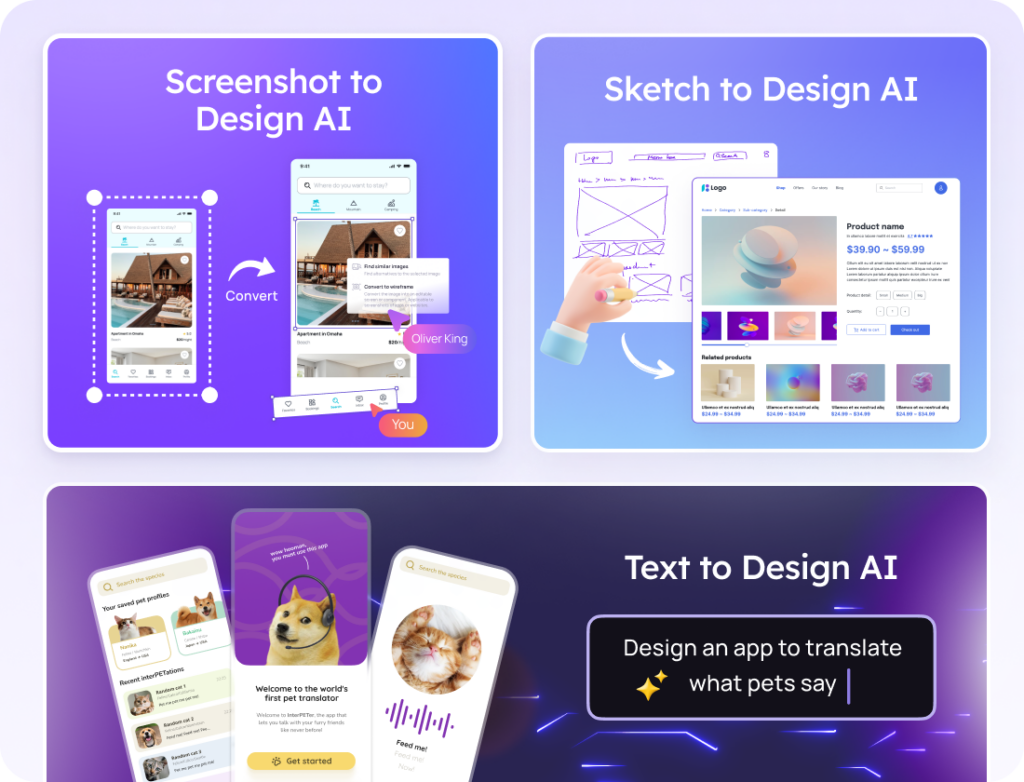
Today, there are numerous tools available for quickly designing interfaces based on a prompt, image or schematic drawing. These tools facilitate the creation of interactive low- and mid-fidelity prototypes, allowing for early-stage validation of aspects such as information hierarchy, workflows or the application of style guides within a project.
Complementing this is the ability to perform automated A/B testing. AI proposes multiple versions with variations in functionality, buttons, colours and text, analysing the performance of each to identify areas for improvement. Its ability to rapidly create component and structural variants, while considering various audiences or segments, facilitates the design of hybrid versions that combine the best features.
Source: Visily
Adaptive Design and Personalisation
Gaining a deeper understanding of users also encourages consideration of their unique personal circumstances. In this regard, Artificial Intelligence unlocks a previously unattainable capability: the real-time adaptation of products in response to people’s varying preferences and emotions.
Adaptive design opens up endless possibilities for creating more inclusive and accessible interfaces, where complexity level, structure, content and even the entire visual appearance can be automatically reorganised. This results in increasingly effective personalisation, facilitating access to the options sought by a specific individual at any given moment.
Problem Detection
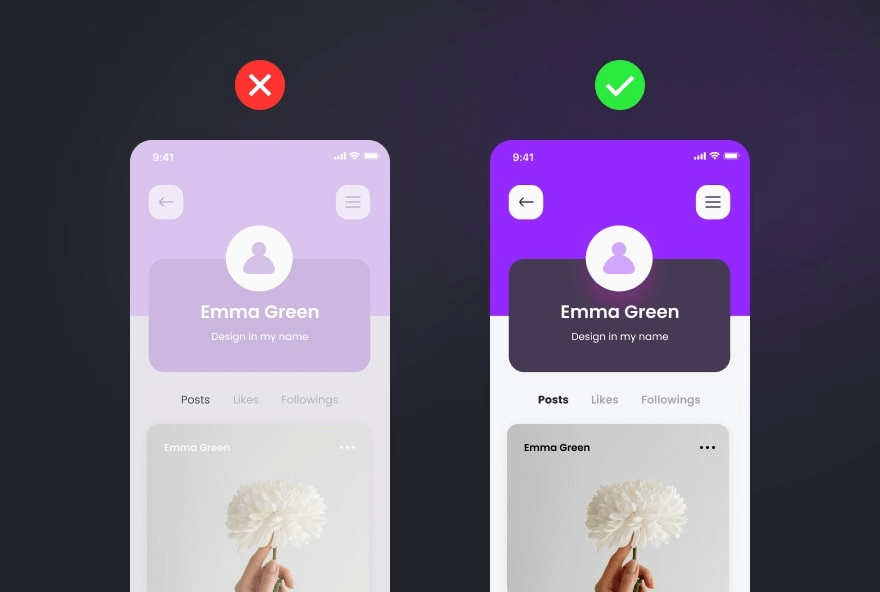
AI tools can predict how users will interact with an interface: whether they can follow the happy path (the shortest, most efficient route to achieving their goal) or will encounter obstacles such as overly long flows, bottlenecks, accessibility issues and more. Detecting friction points early, along with processes that cause frustration and abandonment, is key to implementing proactive solutions and improving product or service retention.
Additionally, by identifying potential system issues, it is possible to correct sudden increases in errors, malfunctions or bugs. AI also facilitates the refinement of unclear aspects that might confuse the user, leading to behaviour such as excessive clicks on non-interactive areas of the interface.
Source: GTECH
AI in UX Research
UX Research aims to gather information about users to better understand them and adapt as effectively as possible to their needs. This process often requires significant time and resource investment due to the extensive data management involved. Some of the ways in which AI can enhance and streamline this process are as follows:
Planning and Execution of Surveys, Interviews and Focus Groups
Research techniques require an initial planning phase, followed by execution and subsequent analysis and evaluation. In the early stages of the process, and with the desired information and results in mind, Artificial Intelligence tools help define the questions to ask, the tasks and flows to test and the parameters and behaviours to monitor during testing, among various other considerations.
They have also become a valuable resource during the execution phase. The use of chatbots and virtual assistants automates the collection of direct user information while being capable of detecting emotional fluctuations and adapting each test accordingly. Additionally, by facilitating remote sessions and recording them, it becomes easier to organise user samples and analyse the verbal and non-verbal language used during the tests.
Data Analysis
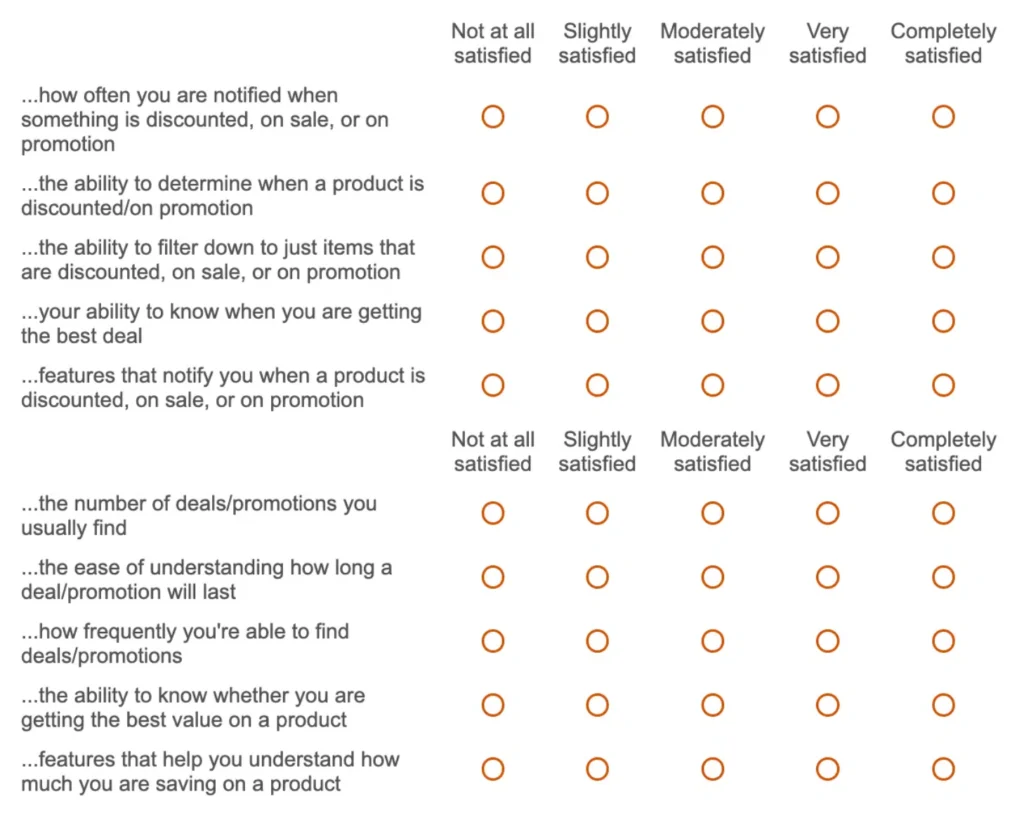
Analysing data collected through quantitative and qualitative research methods is essential for identifying patterns and trends, validating hypotheses, detecting recurring issues and determining the most urgent actions. In this context, AI is capable of analysing large volumes of information at speeds unimaginable for human teams, while also offering advantages in terms of reducing cognitive biases, detecting emotions in subjects and automatically generating graphs and statistics.
Its use can significantly reduce time spent on managing routine and repetitive tasks, such as tallying closed-ended survey responses, transcribing and summarising audio and video recordings and creating advanced segmentation groups based on different topics or insights.
Source: UserFeedback
Eye Tracking and System Usage
Eye tracking is an AI tool that records eye movements during interaction with an interface, providing valuable qualitative insights into system usage. This technology automatically analyses fixation patterns, creating heat maps that indicate areas of high and low user attention. It also reveals whether the interface encourages vertical or horizontal reading (known as F or Z patterns), identifies moments of hesitation or confusion and indicates when users decide to take specific actions.
This resource can be complemented with other measurement systems, such as those that track cursor movement, clicks and time spent on various pages and tasks. As a result, extensive details can be captured during user navigation, from pauses and erratic movements to points of abandonment or overly long and complex flows.
Identifying Trends and Social Listening
UX Research seeks to understand users of a specific product or service, but this should be combined with a global understanding of the markets. Artificial Intelligence algorithms can play a significant role in this process, thanks to their ability to track all manner of social media, websites and platforms for recurring topics and opinions.
The application of these algorithms provides real-time insights into consumer emotions, from which the most frequent concerns and issues within a community, segment or region of interest can be extracted. These social listening tools facilitate the detection and monitoring of trends, offering immediate feedback on brand perception and the impact of each action or strategy.

Source: Lumona
If you’re curious about the evolution of Artificial Intelligence but don’t know how to apply its benefits to your product or service, at GammaUX, we have a team of experts in usability and new technologies ready to help. Contact us so we can review your case and help drive your business forward.